NEWS | NEW ORLEANS CITY COUNCIL
Most residents recognize the clerk from roll call. The office's real work runs from the agenda that opens a meeting to the permanent record that outlasts it.
By Kim M. Braud | August 6, 2026
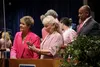
NEW ORLEANS - Clerk of Council Aisha R. Collier opened Thursday's regular meeting the way she opens every one: she called the roll to establish a quorum, then moved the Council into the day's agenda.
When residents picture the City Council, they picture seven members casting votes. Every one of those votes depends on an office that rarely gets named from the dais: the Clerk of Council.
Aisha R. Collier holds that office. The current Council elected her clerk at its organizational meeting on January 12, 2026, after she served as assistant clerk and, at points, acting clerk. Under the Home Rule Charter, the clerk cannot be one of the seven council members.
What the clerk is
The clerk is the Council's official record keeper and the administrative spine of the legislative process. Charter Section 3-101 vests all of the city's legislative power in the Council. The clerk is the officer who keeps that power documented, indexed, and findable.
The agenda that opens a council meeting is the clerk's work, not the council's.
Before the meeting
Most of what the clerk does, the public never sees. The office prepares and publishes the agenda and meeting materials, and it receives the ordinances, resolutions, motions, and communications that fill them. The Council's Rules and Regulations set the order of business the clerk assembles: approval of minutes, communications, special orders, the consent agenda, and the regular agenda.
The clerk groups related ordinances, motions, and resolutions so a single subject moves together. On land use matters, Rule 10.1A puts the clerk in charge of mailing hearing notice to the applicant and to anyone who appeared and signed in. Required public notice runs through the same office.
During the meeting
This is the part the public recognizes.
The president presides and calls the meeting to order. The clerk conducts the roll call that establishes a quorum.
The clerk reads items and ordinances by title. Charter Section 3-112 requires each proposed ordinance to be read by title when it is called for final passage. When a member asks to pull an item off the consent agenda, the clerk alerts the Council on the record.
Then the clerk records the vote. At final passage, the vote is taken by ayes and nays, and each member's yes or no is entered by name on the journal of proceedings kept of every Council transaction.
A vote is not final because it is spoken. It is final because it is recorded.
After the meeting
The work that outlasts the meeting happens after the chamber empties. The clerk finalizes the minutes and the journal, files the adopted ordinances and resolutions, and preserves the permanent legislative record.
Section 3-113 sets the standing duty: the clerk maintains a current and comprehensive index of all ordinances, resolutions, motions, rules, and regulations, and publishes or causes to be published a current City Charter. The official versions stay available for public inspection in the clerk's office, City Hall Room 1E09.
Why it matters
Strip the office out and the consequences are practical, not abstract. There would be no official record of what the Council decided. A resident would have no reliable way to track a piece of legislation or verify a vote. Notices would be missed and deadlines left uncertain.
The clerk is the reason a vote taken on a Thursday can still be proven, cited, and challenged years later.
Government 101
Think of the clerk of council as the city's legislative record keeper. While the seven members debate policy, the clerk makes sure every action is documented, preserved, and available to the public. It is quiet work, and it is the reason the public process leaves a trail at all.
Did You Know?
- The clerk of council is not a council member.
- The Council elects the clerk under the Home Rule Charter, and the clerk cannot come from the Council's own membership.
- The office maintains the official index of ordinances, resolutions, motions, rules, and regulations, and keeps a current City Charter available to the public (Charter Section 3-113).
Kim M. Braud is the Founder and Editor of Evans Cutchmore Press, an independent newsroom covering Louisiana and the Gulf South. Her reporting focuses on government accountability, infrastructure, business, culture, and the public policies that shape communities. Her work combines investigative journalism, public records research, and documentary storytelling.
© 2026 Evans Cutchmore Press. All rights reserved.
Photo: Kim M. Braud / Evans Cutchmore Press