CIVIC ENGAGEMENT
The second gathering of James Baker’s discussion series moved beyond the question of why Black men vote to examine what they should expect from elected officials, and what their communities must be willing to do between elections.
By Kim M. Braud | September 8, 2026
HARVEY, La. - The first gathering asked why Black men should continue voting when many do not believe government is delivering for their communities. The second installment of “The Conversation” pushed the question further: What should effective representation look like, and what responsibility belongs to the people asking to be represented?
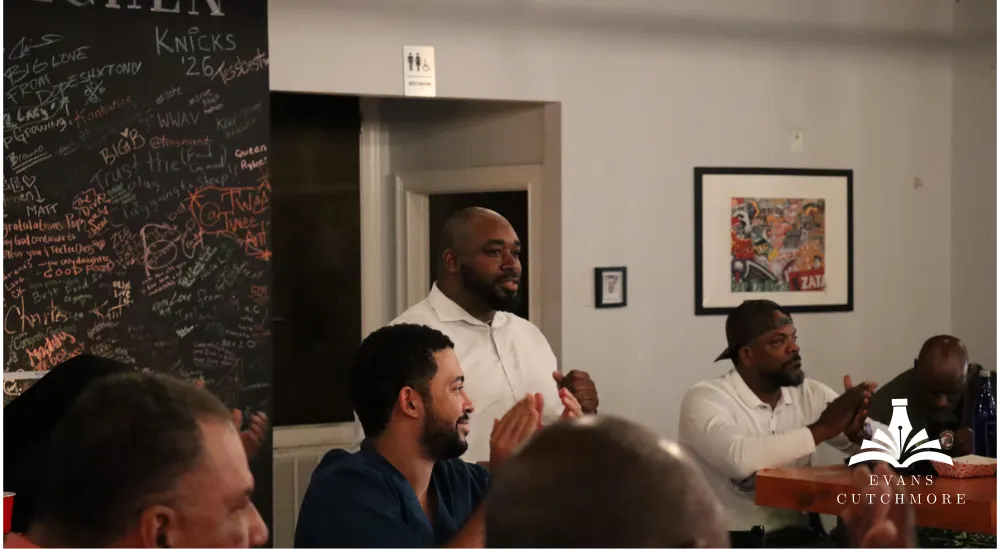
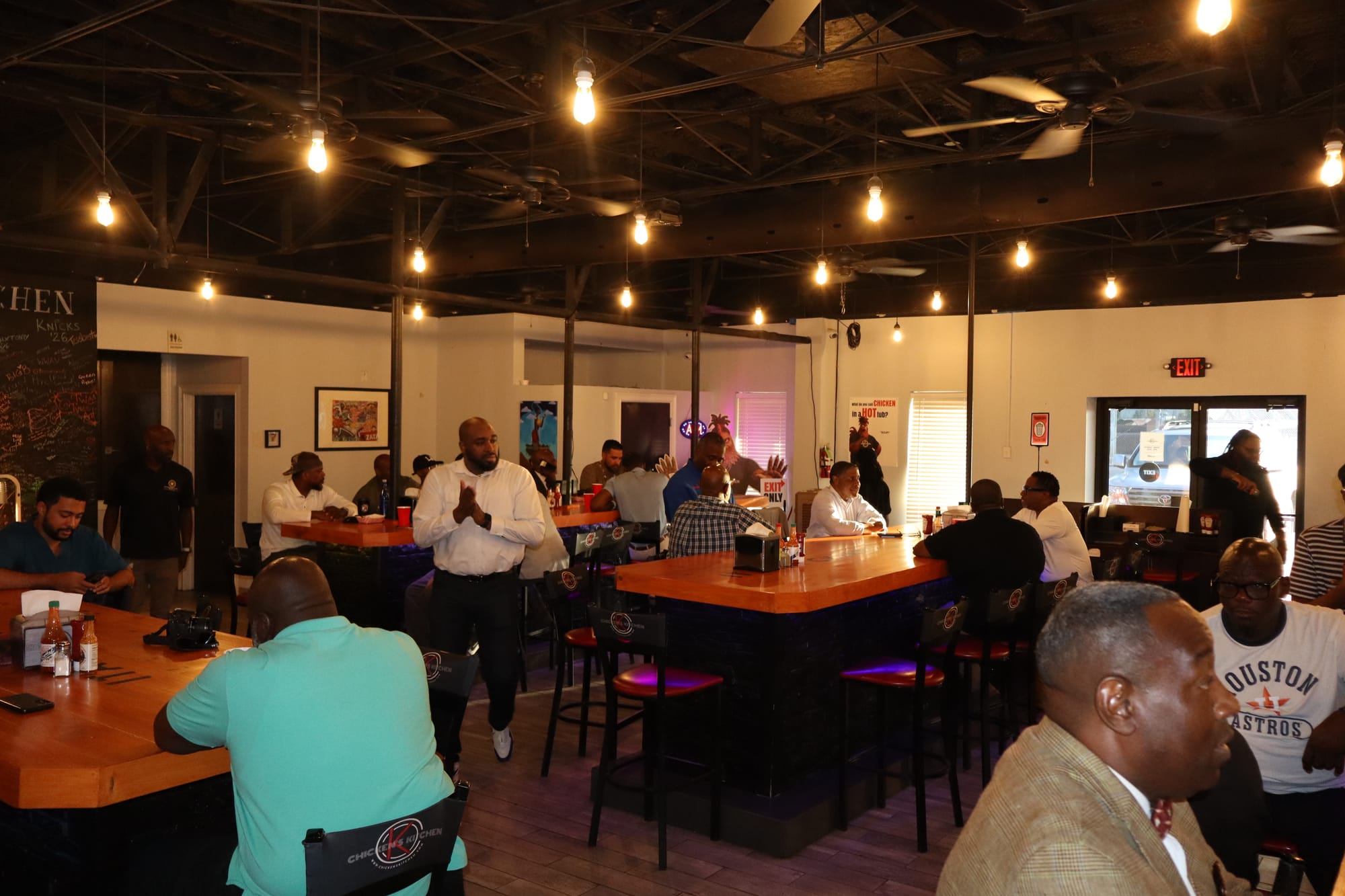
Community leaders, residents, clergy, elected officials and political candidates gathered Tuesday evening at Chicken’s Kitchen in Harvey for the latest installment of the informal discussion series organized by James Baker. Like the first event, held last month at St. Noir in New Orleans, the gathering was built around an open exchange rather than a conventional panel or campaign forum.
Baker opened by returning to one of the concerns that shaped the first conversation: the political disengagement of Black men. Participants offered several explanations, including distrust of politicians, a lack of civic knowledge and the belief that government has little effect on their daily lives.
“People say, ‘I don’t do politics,’” Baker said. “But if you don’t do politics, politics will do you.”
That tension, between the reach of government and the public’s understanding of it, ran through much of the evening. Several men said residents are often asked to vote without being shown how a particular office, policy or election affects their housing, employment, health, neighborhood or family.
One participant argued that leadership must offer more than appeals for turnout. If political engagement is going to become a lasting habit, he said, people must be able to see tangible value in collective action and understand how government can change their material conditions.
Others said the problem begins even earlier, with basic civic education. One attendee described entering the voting booth prepared to decide the high-profile ballot questions he had seen discussed on social media, only to discover races for offices he did not fully understand. He later researched what a United States senator can actually do, the records of the current officeholders and the limits a federal office would place on promises centered on local concerns.
His point was not that voters should expect less. It was that meaningful accountability requires knowing which official has the authority to act.
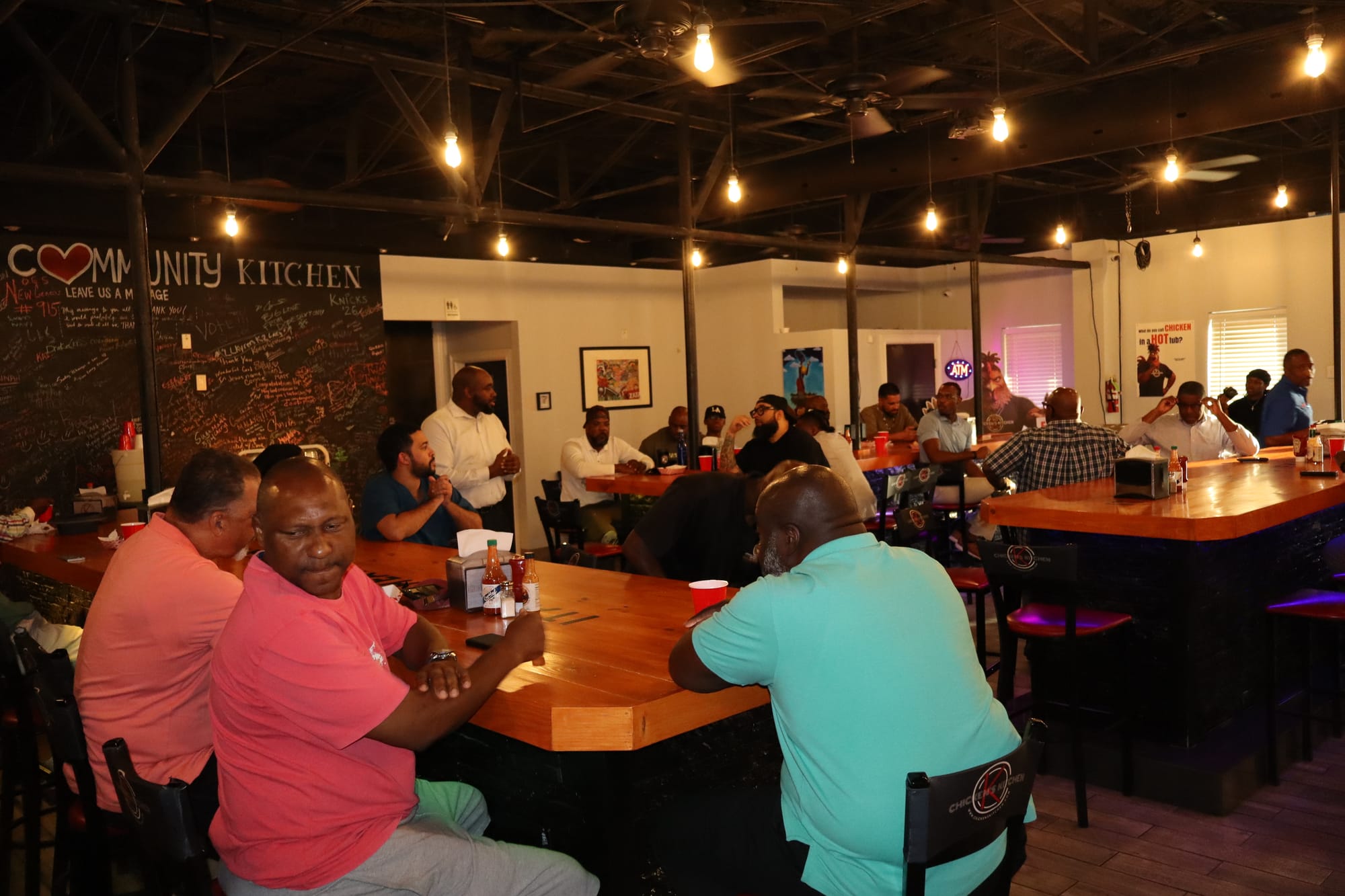
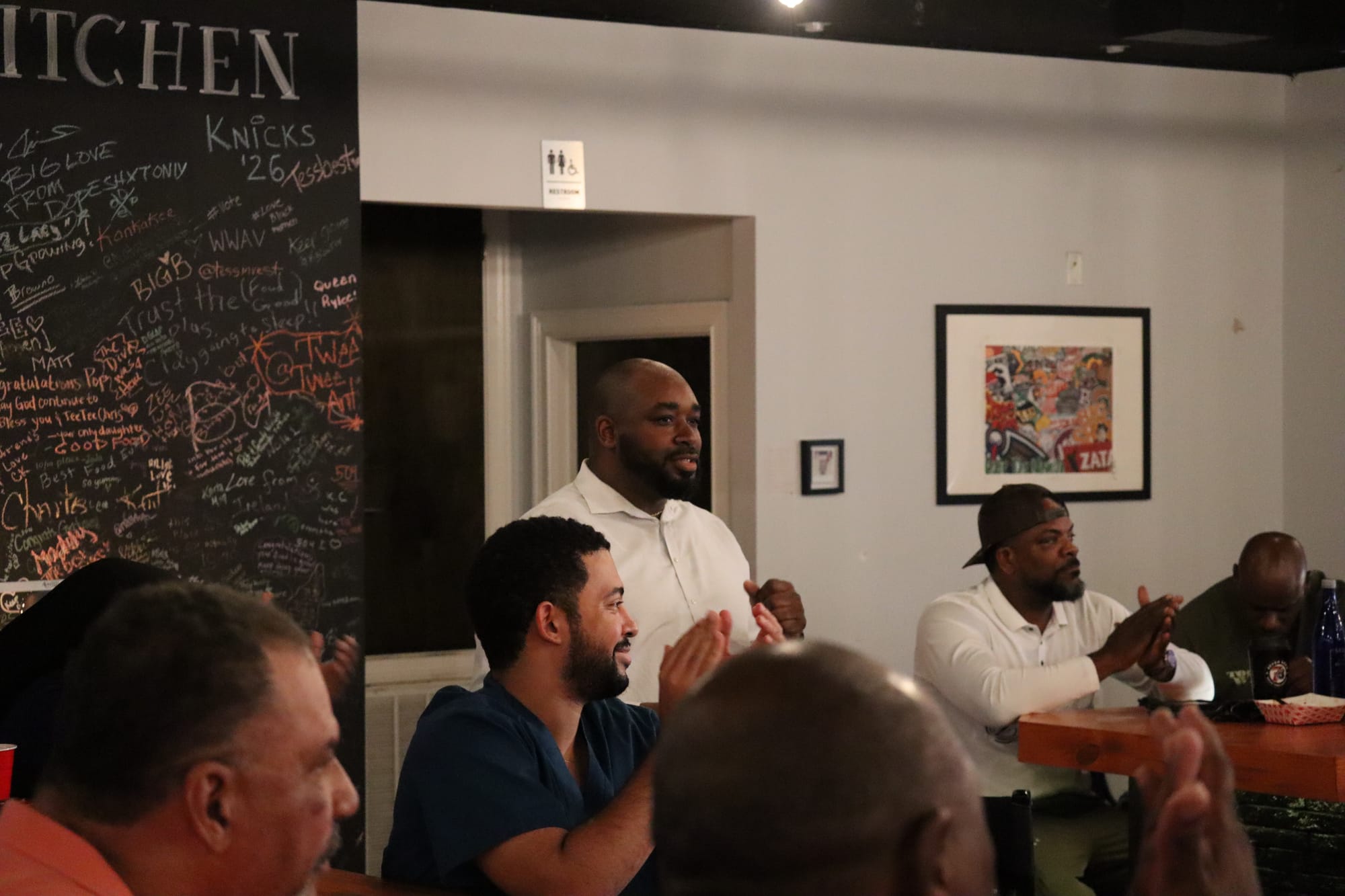
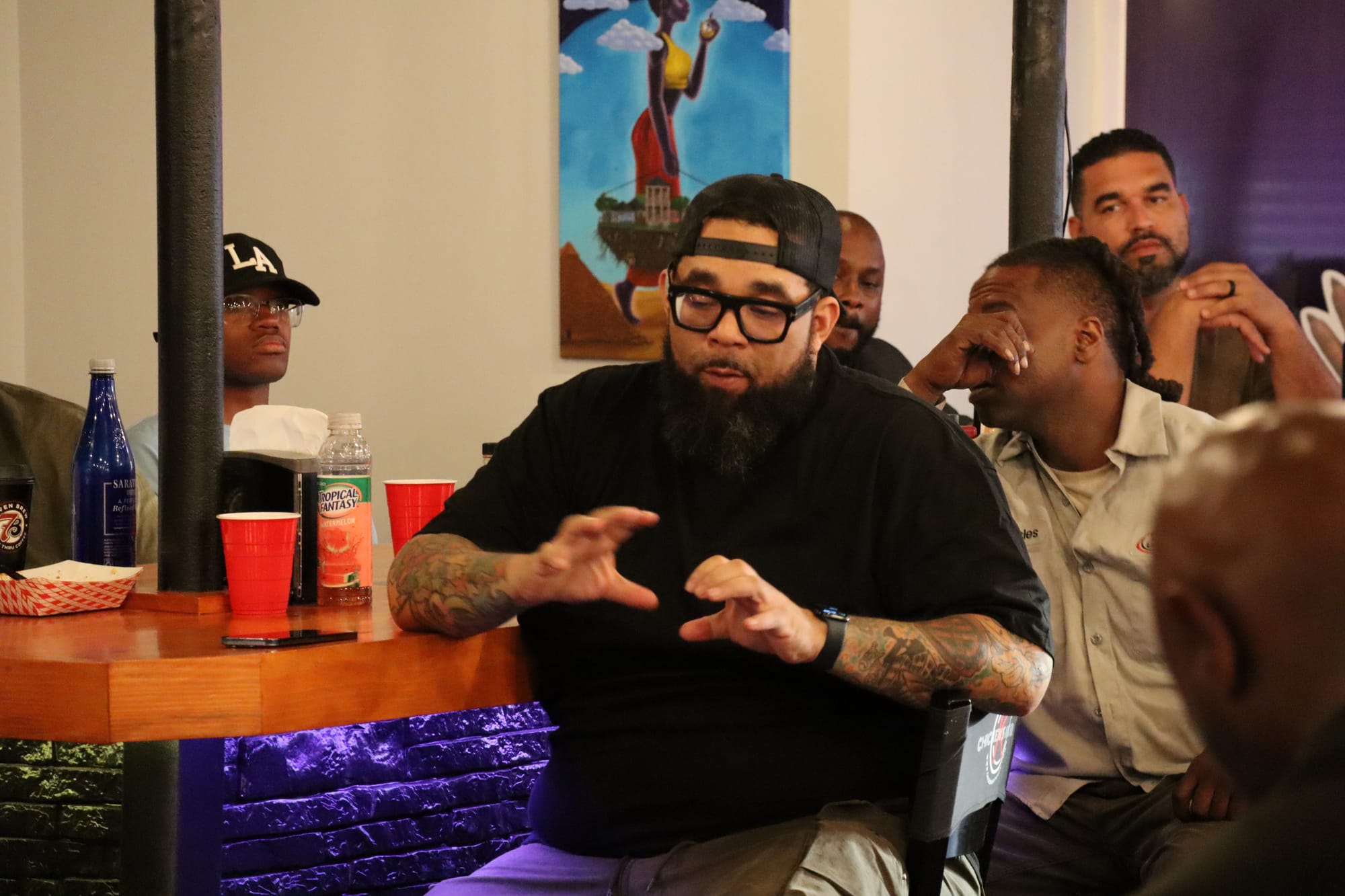
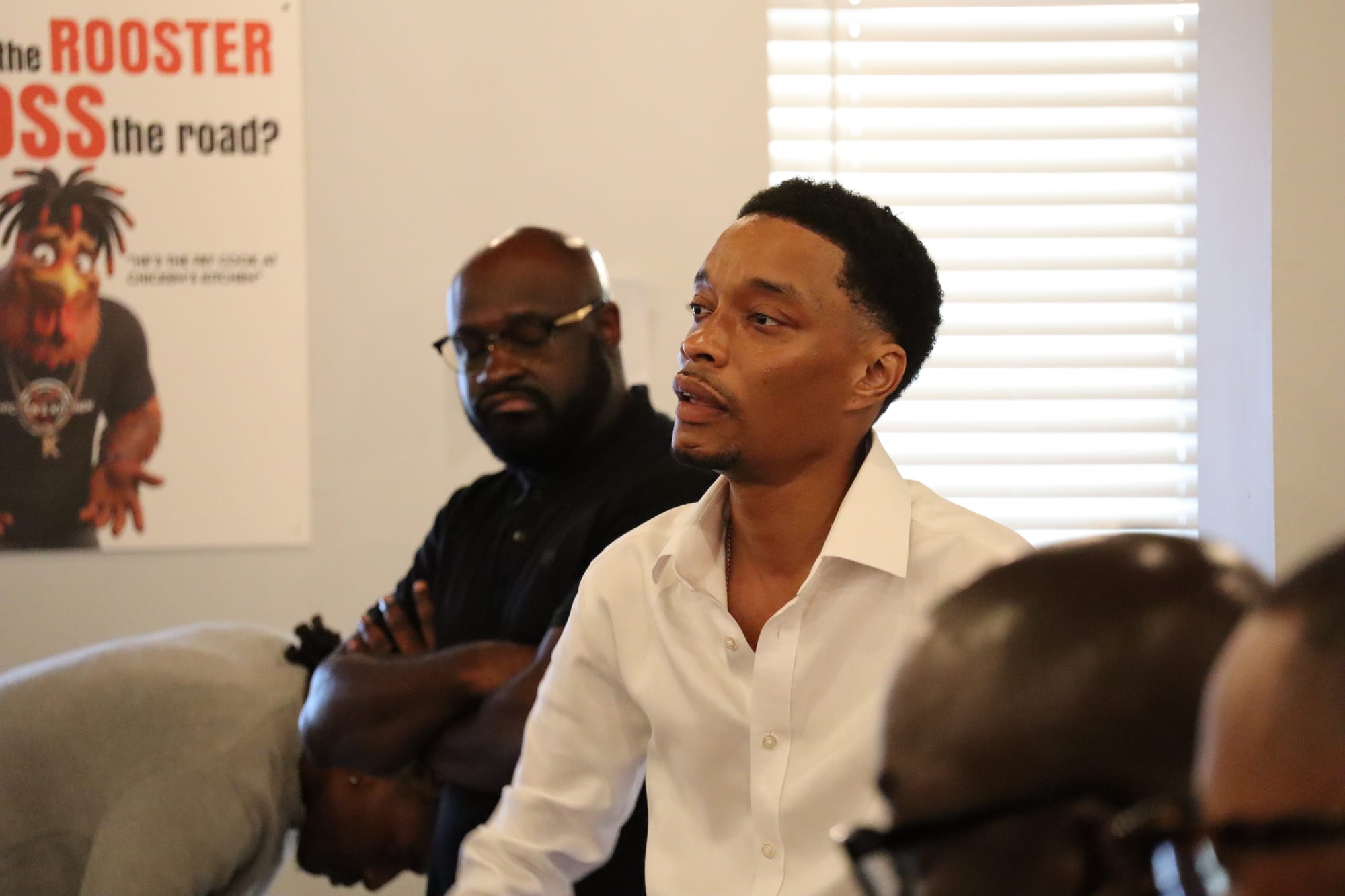
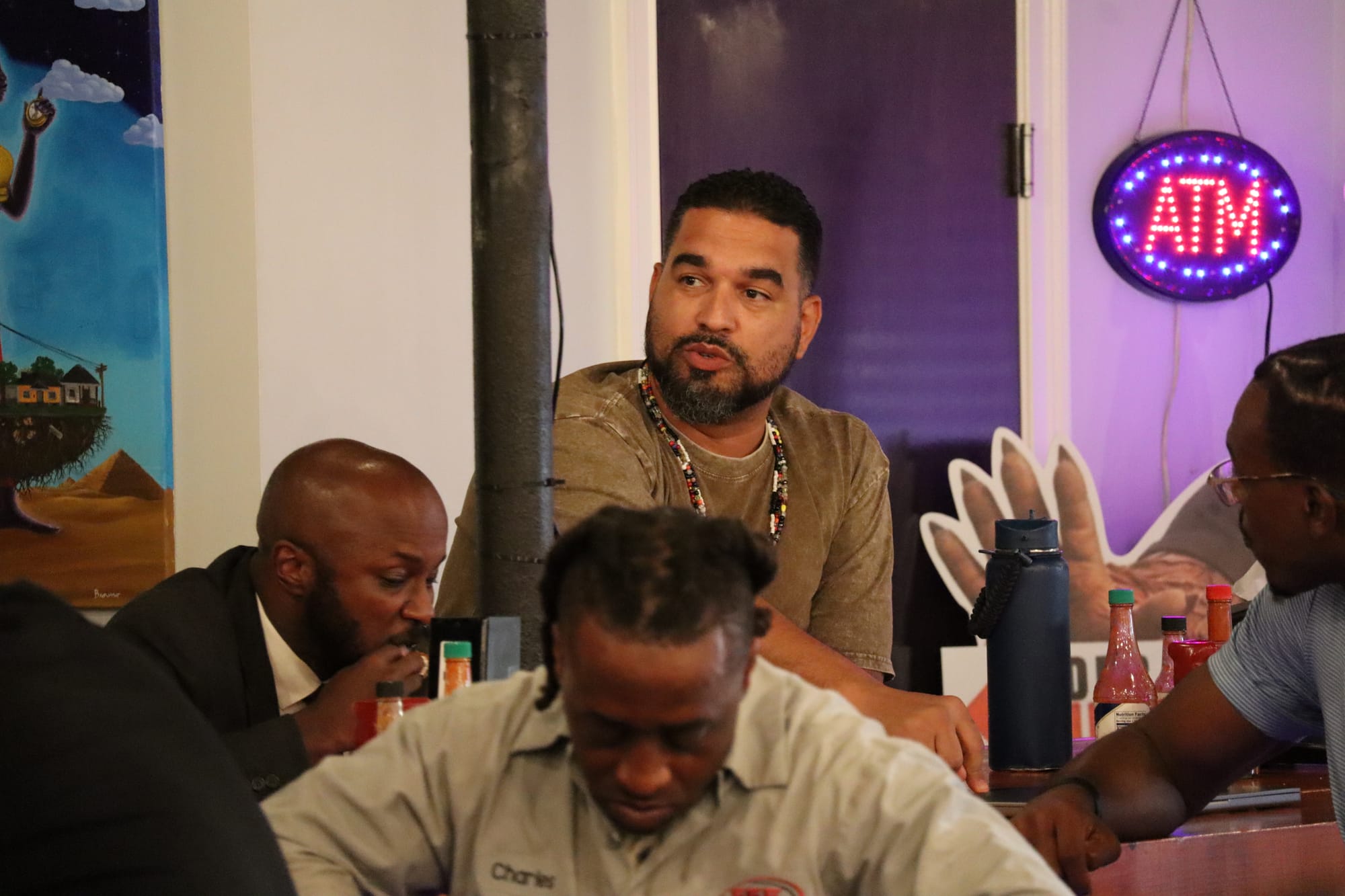
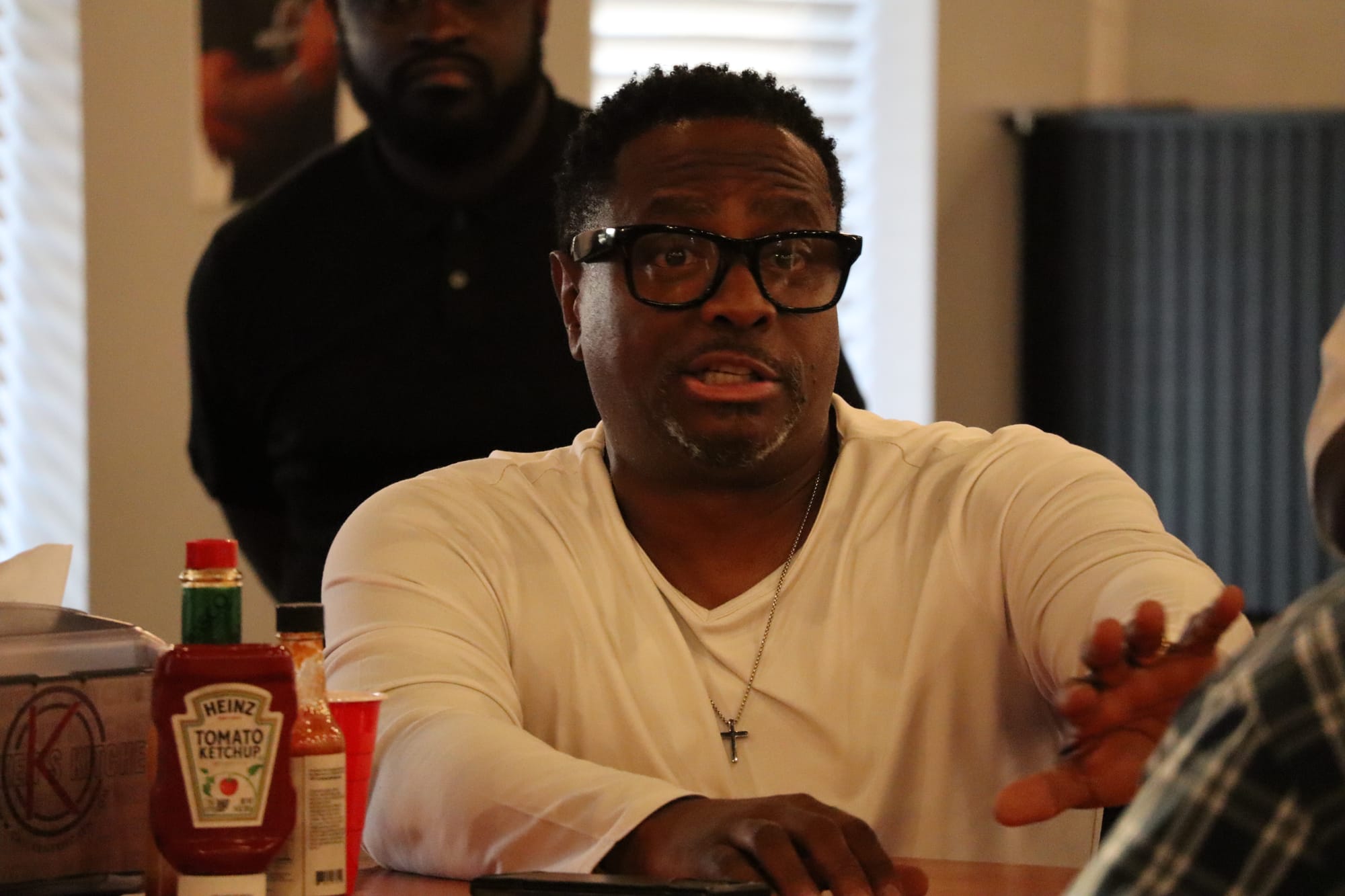
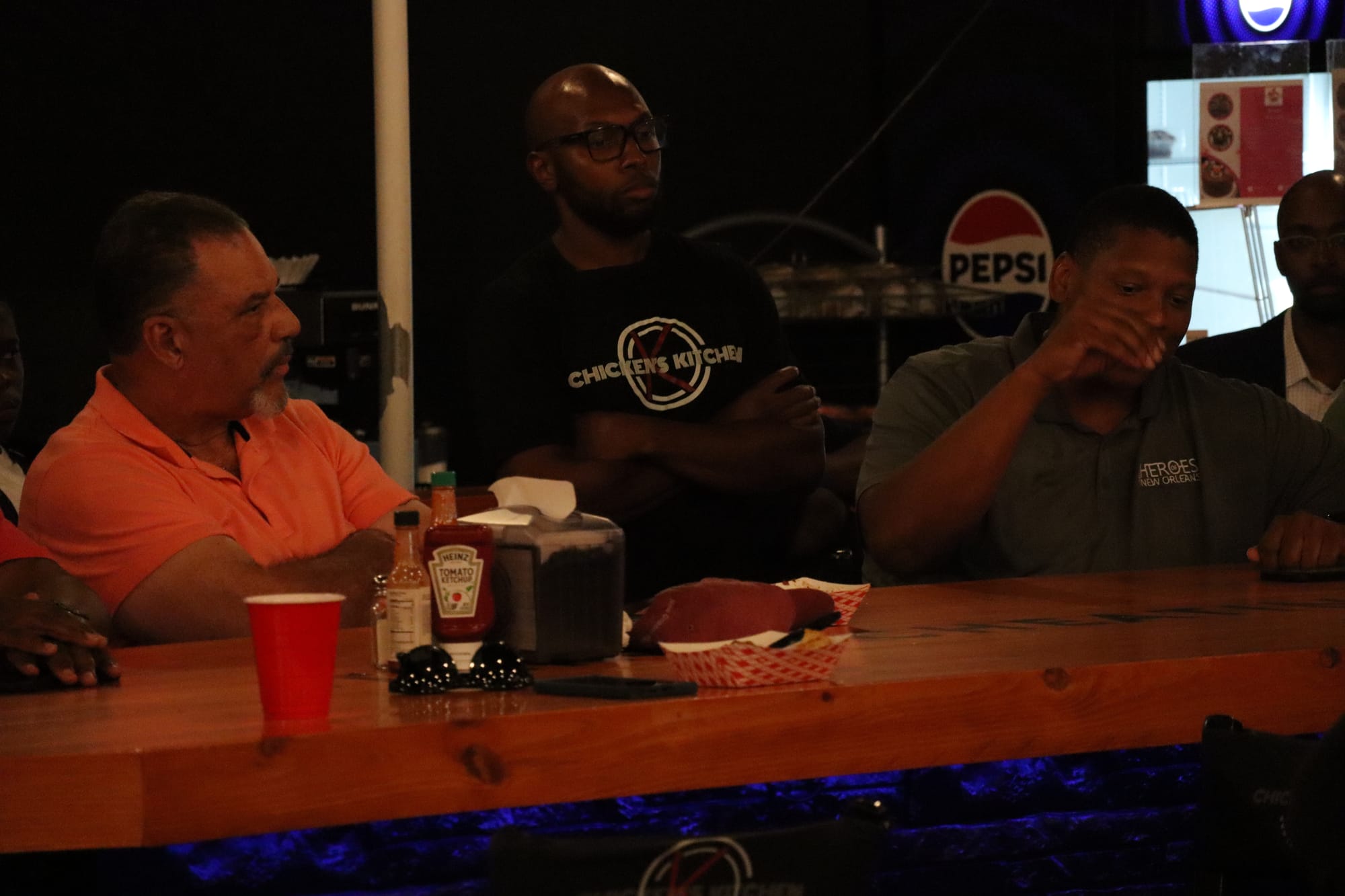
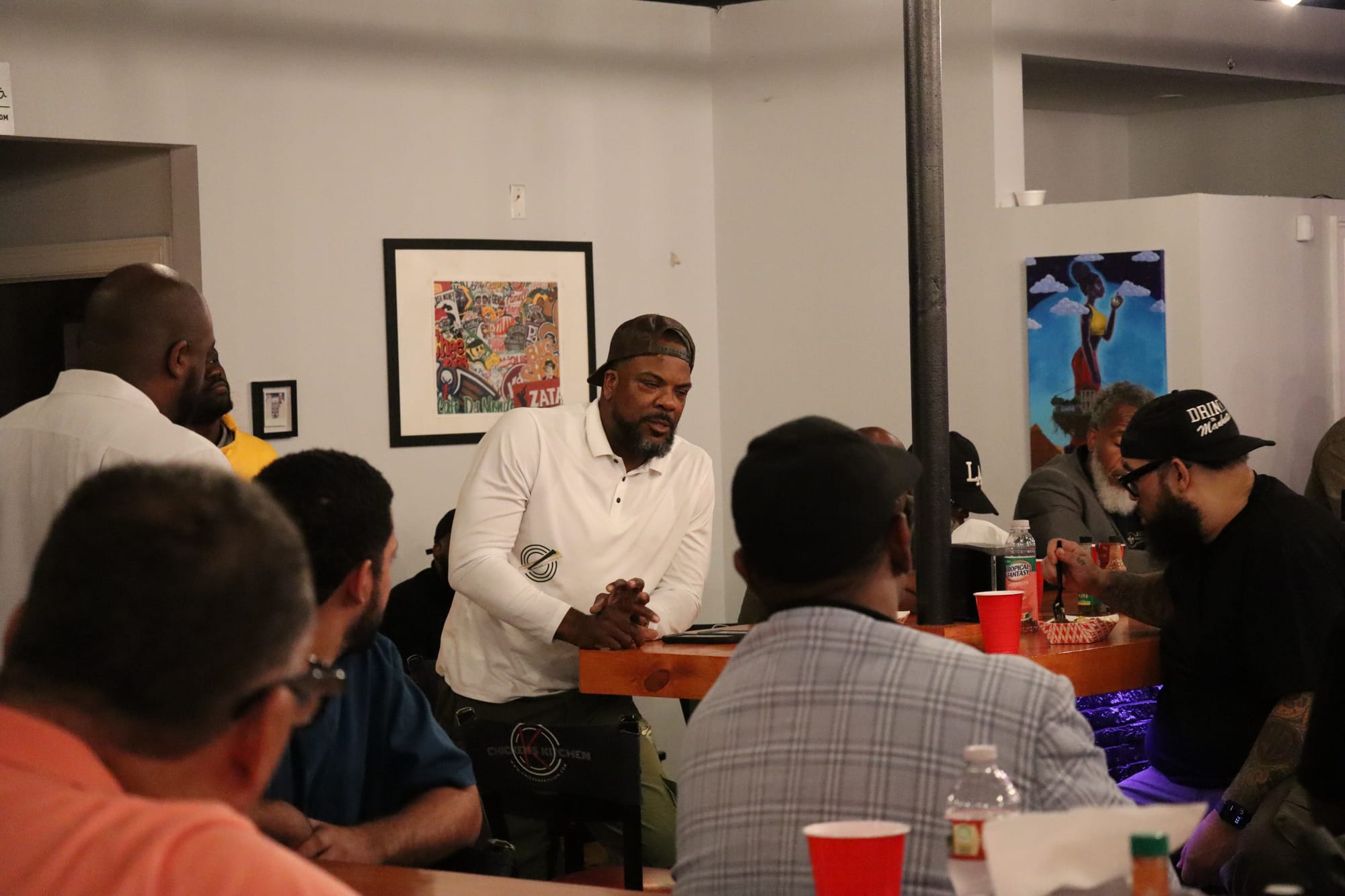
The discussion also challenged conventional ideas about leadership. Participants described an effective leader as a servant, a listener and a representative of an organized community, not a substitute for one.
“Strong people don’t need a leader; they just need a representative,” one participant said, describing a community in which residents work in their own lanes but respond collectively when one member faces a problem.
State Rep. Rodney Lyons, whose district includes portions of Jefferson Parish, offered a view from inside the Louisiana Legislature. He said the answers offered in the room - education, organization, accountability and strategy, must work together. Representation, he explained, is not always a visible confrontation. Much of the work involves defending existing resources, identifying opportunities and determining where lawmakers have the numbers and relationships necessary to move an issue.
Lyons also emphasized the importance of residents remaining engaged long enough to understand the process and press their priorities. Some communities, he noted, arrive organized, informed and prepared to advocate for specific outcomes, while others are largely absent from the rooms where decisions are being made.
The observation reinforced one of Baker’s central arguments: communities cannot place the full burden of political education and organizing on elected officials.
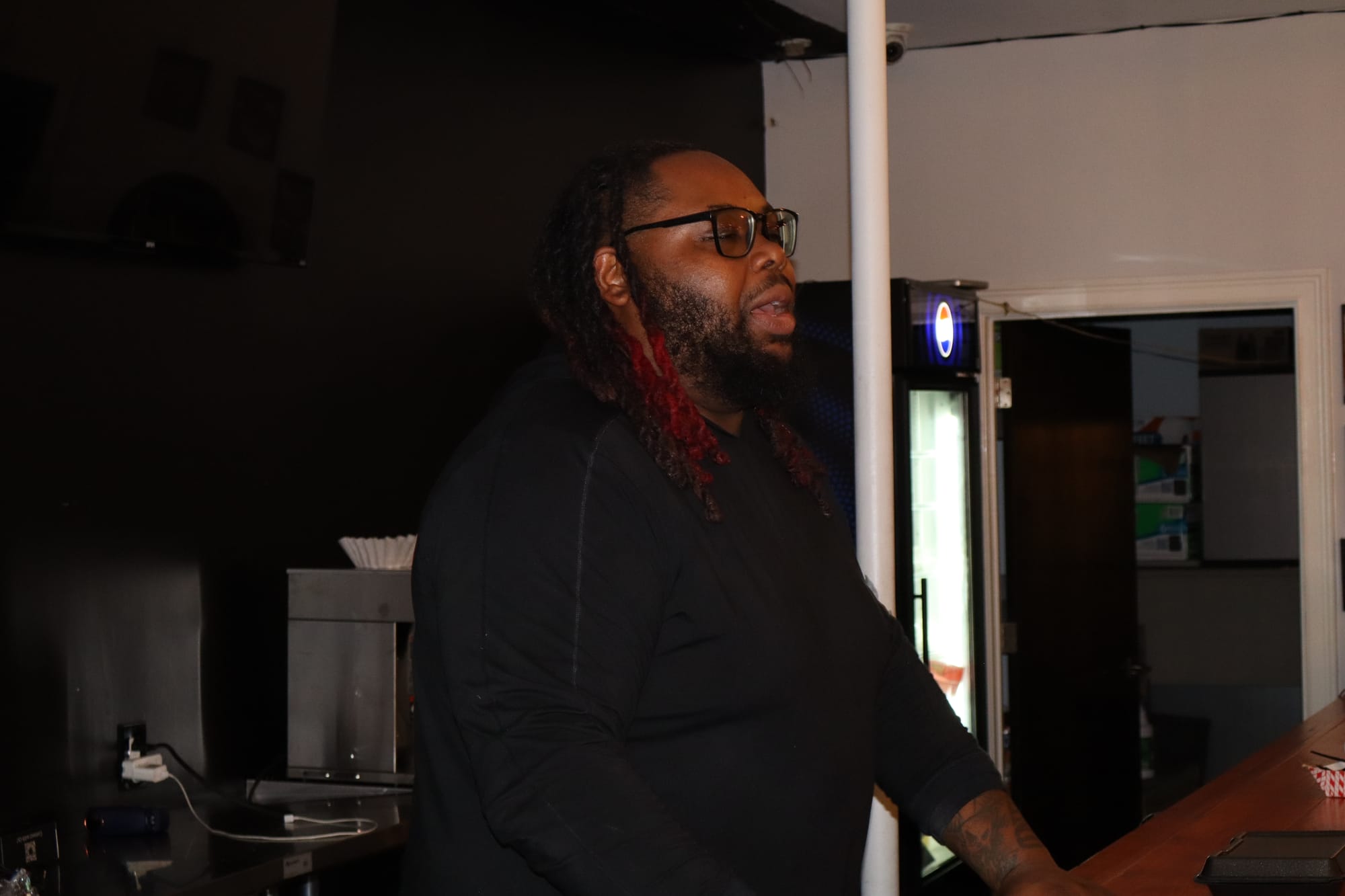
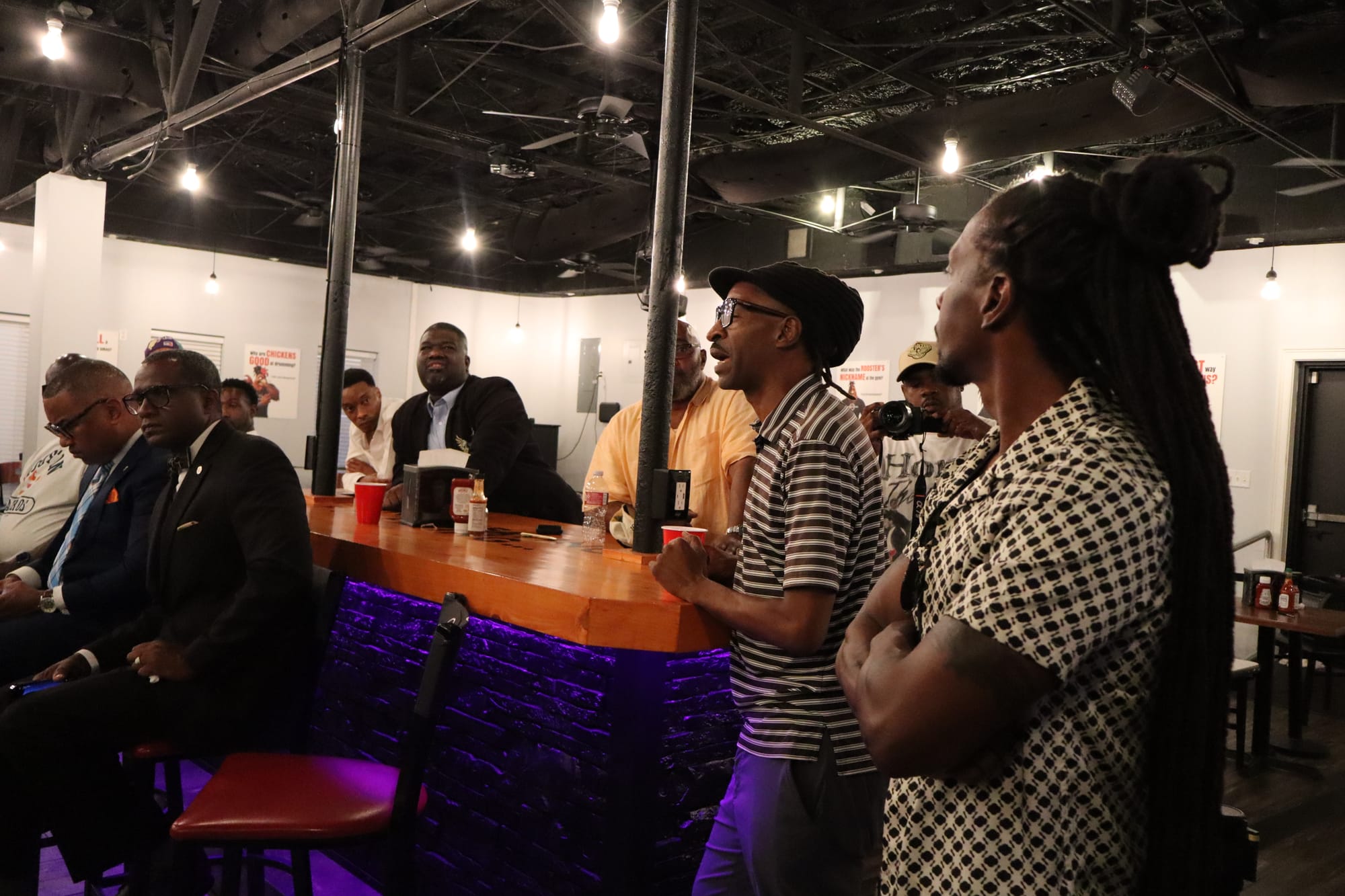
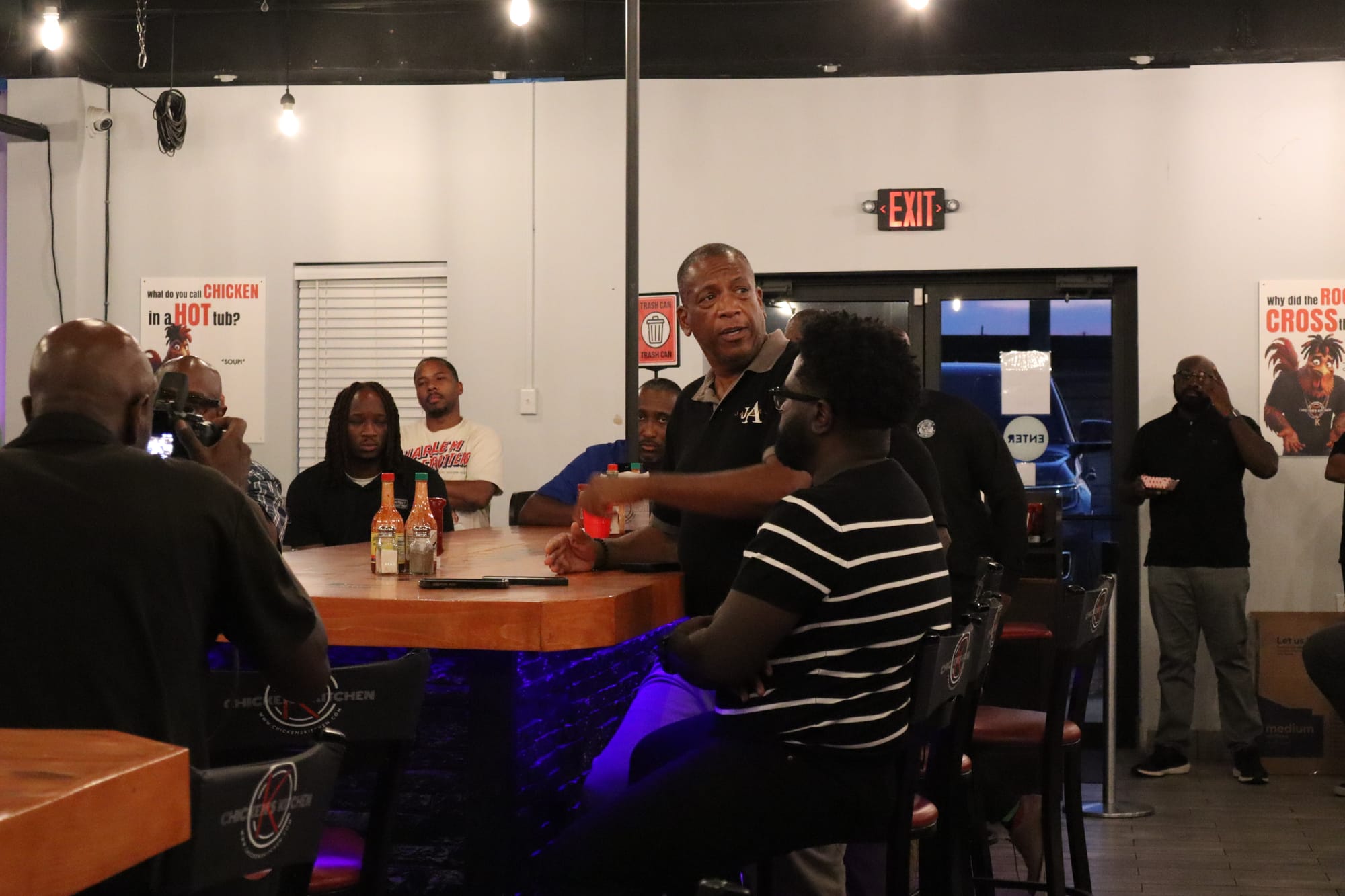
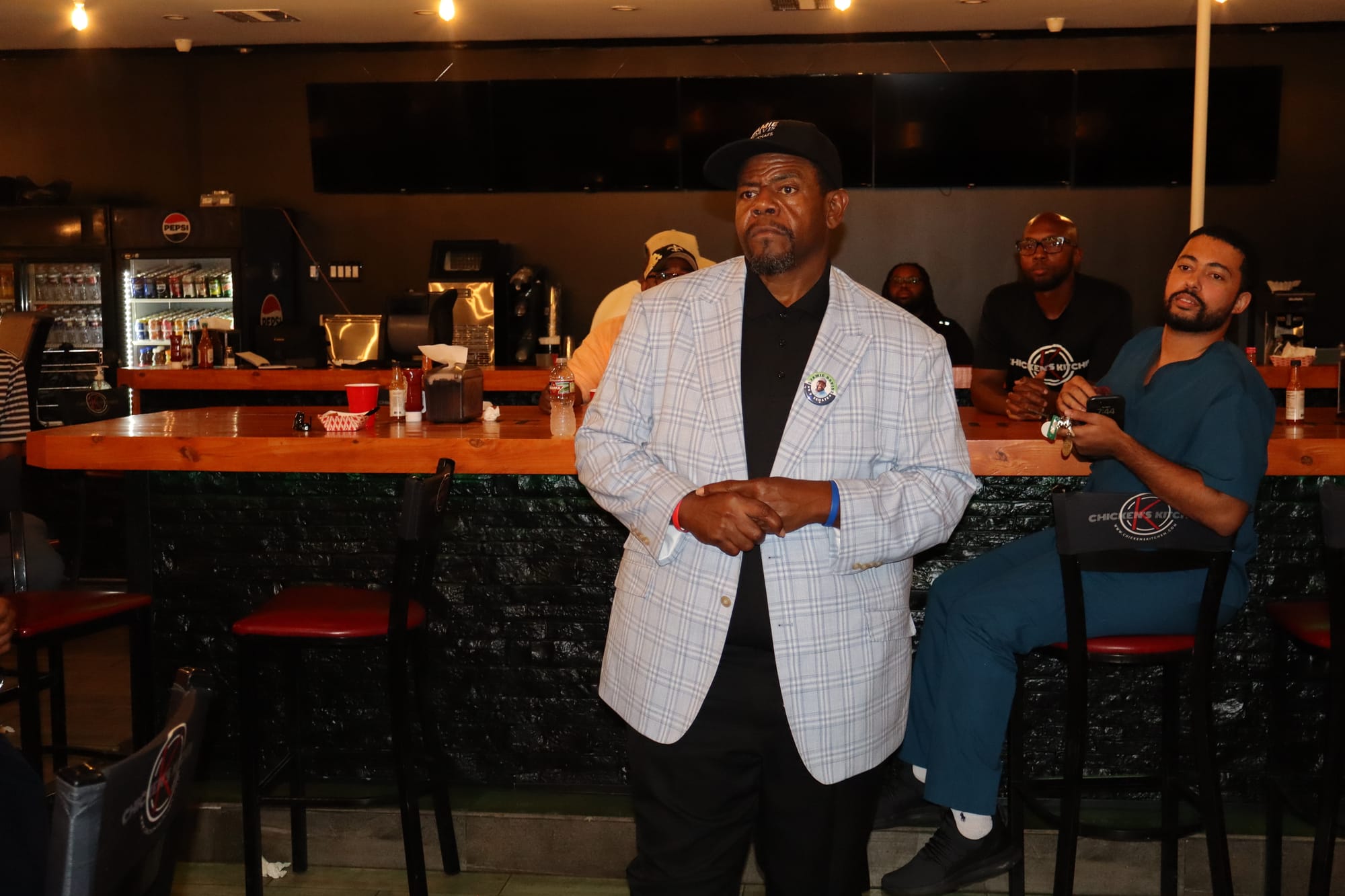
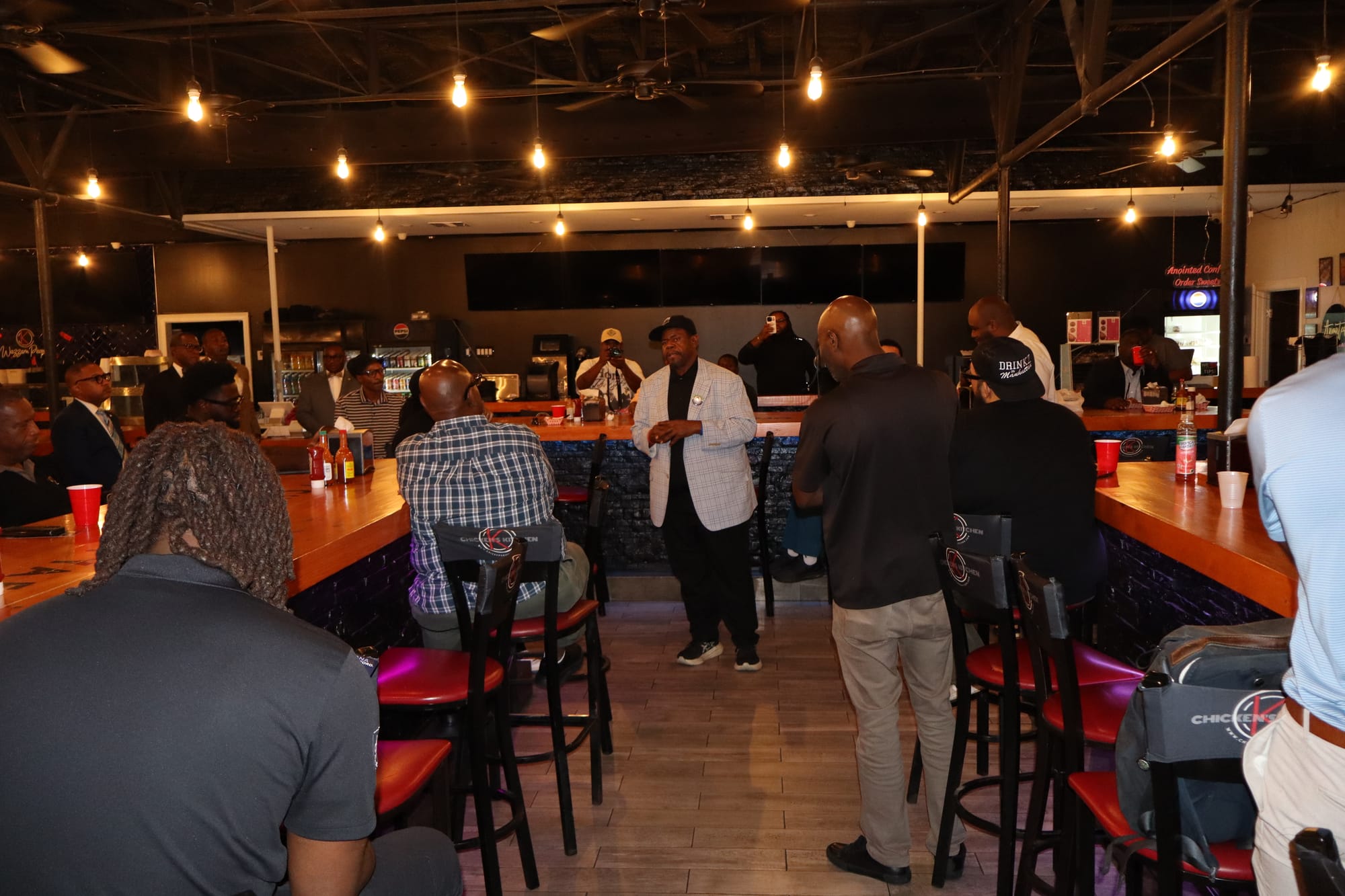
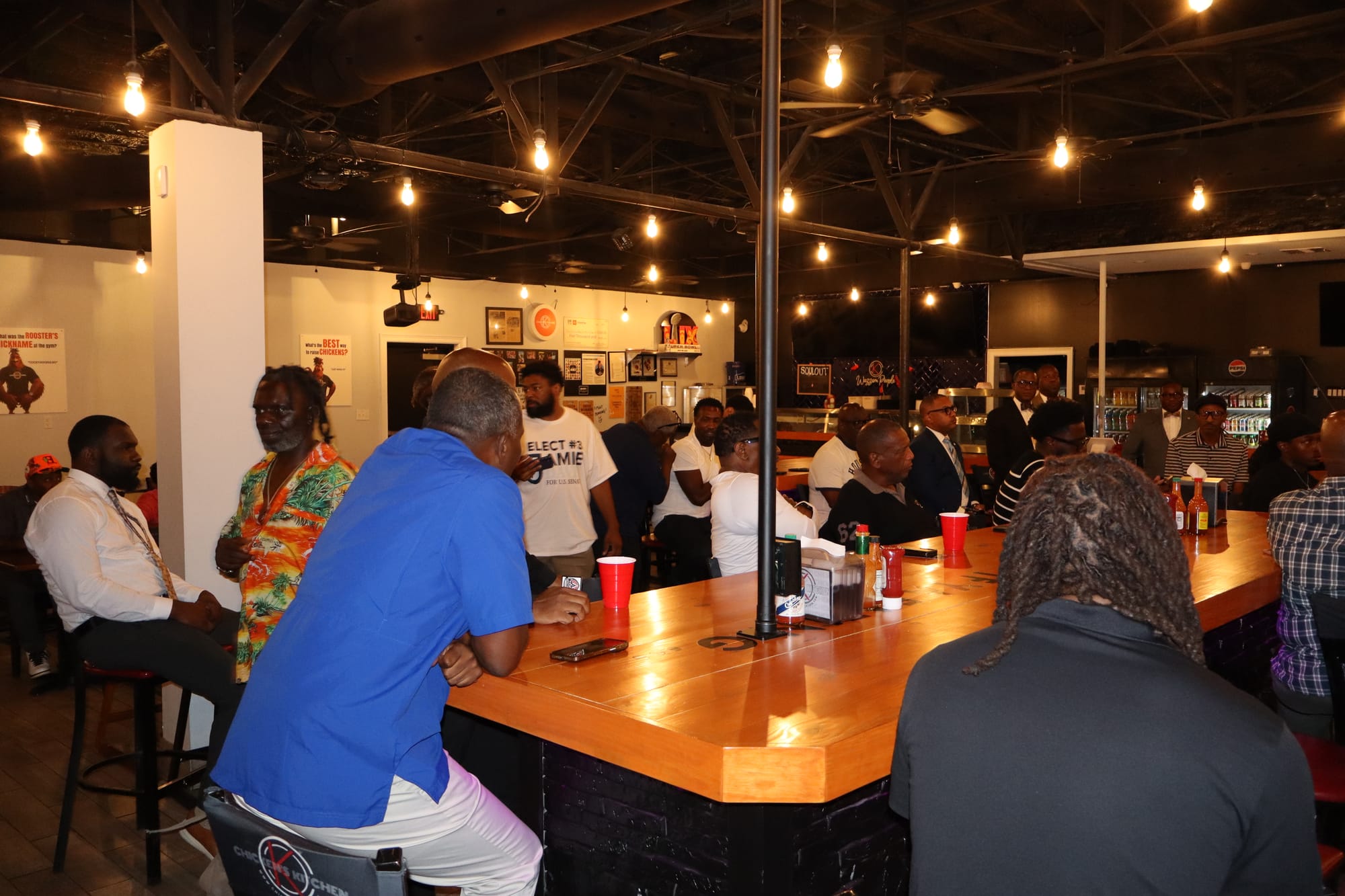
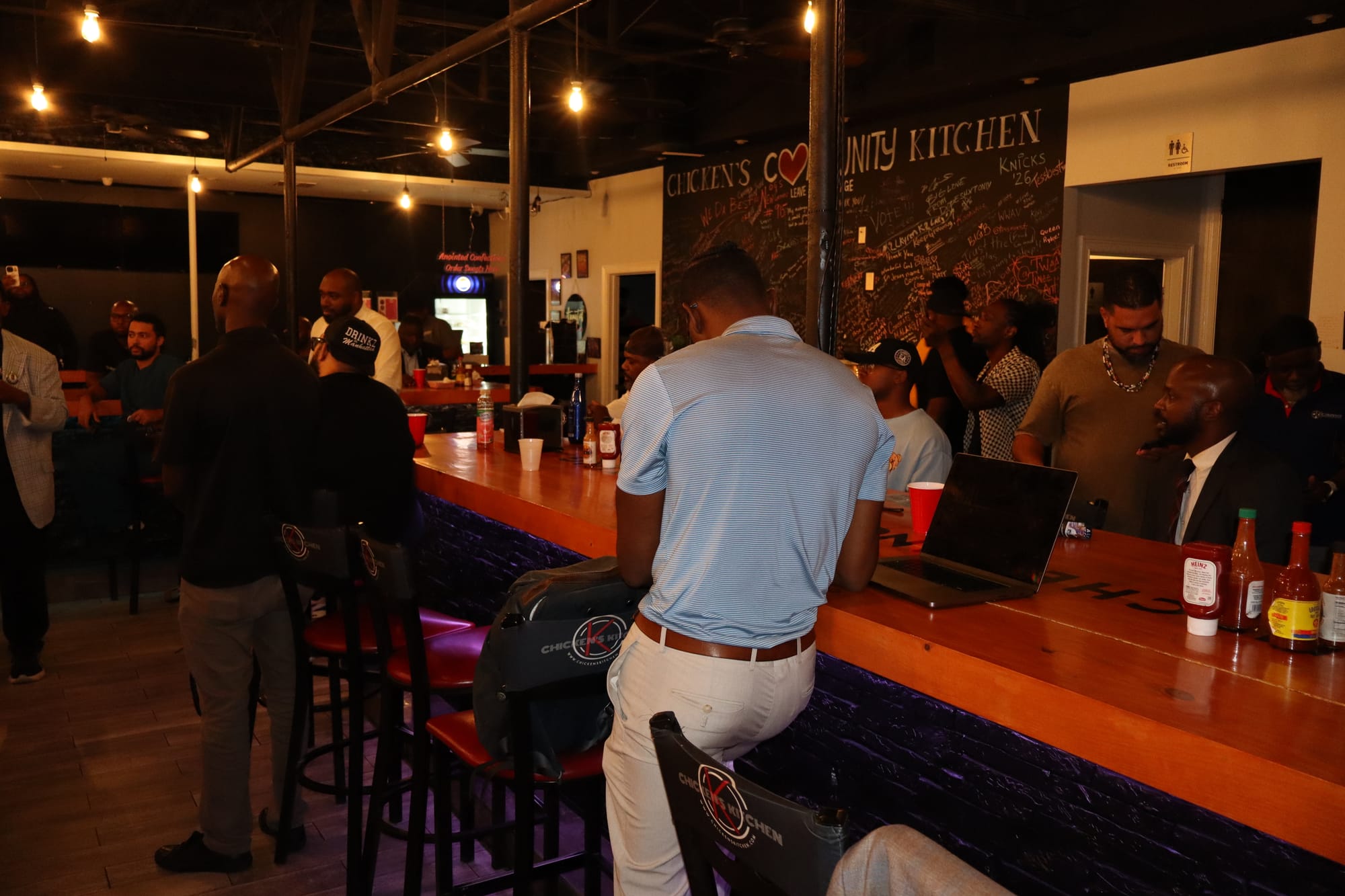
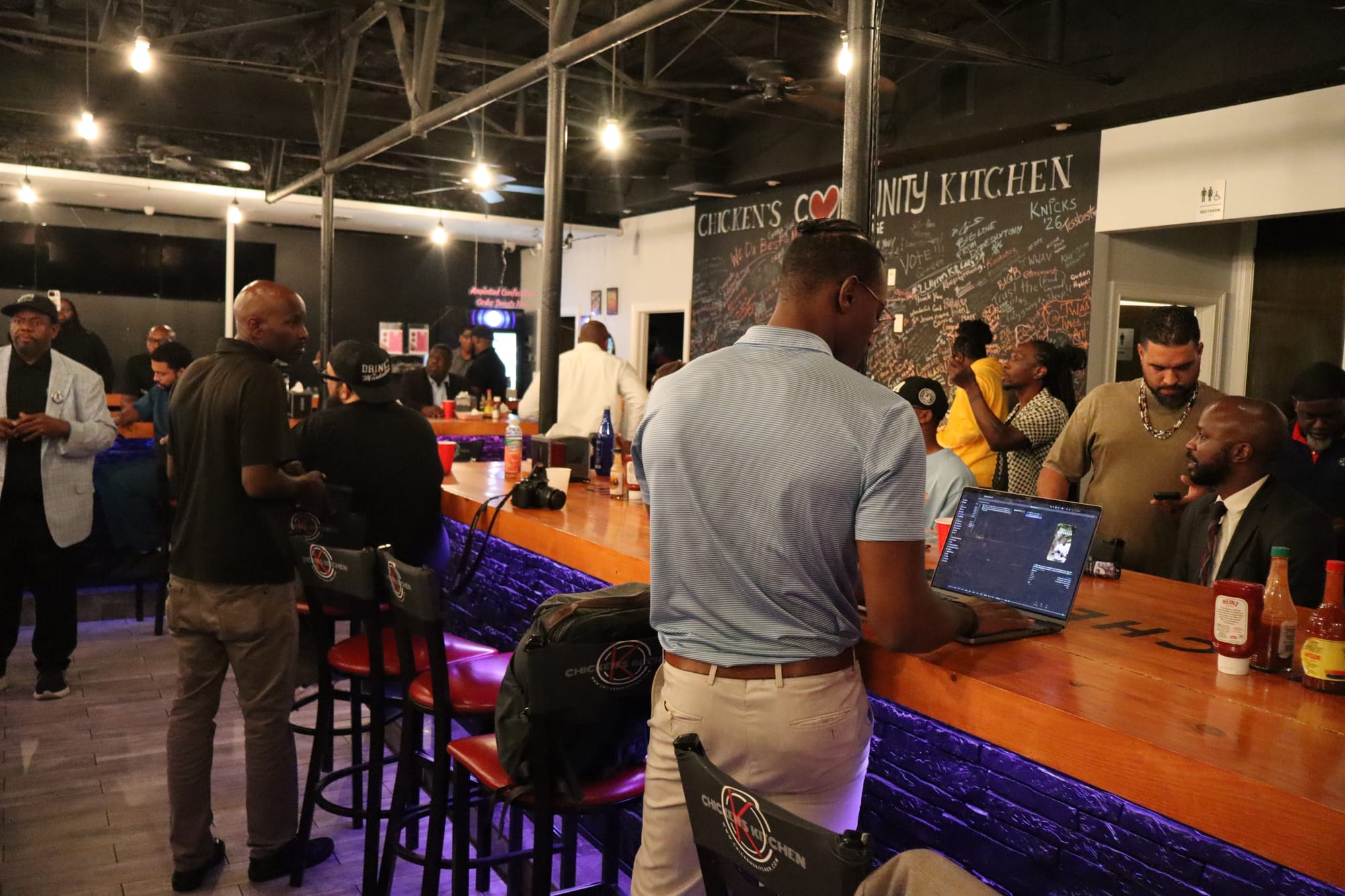
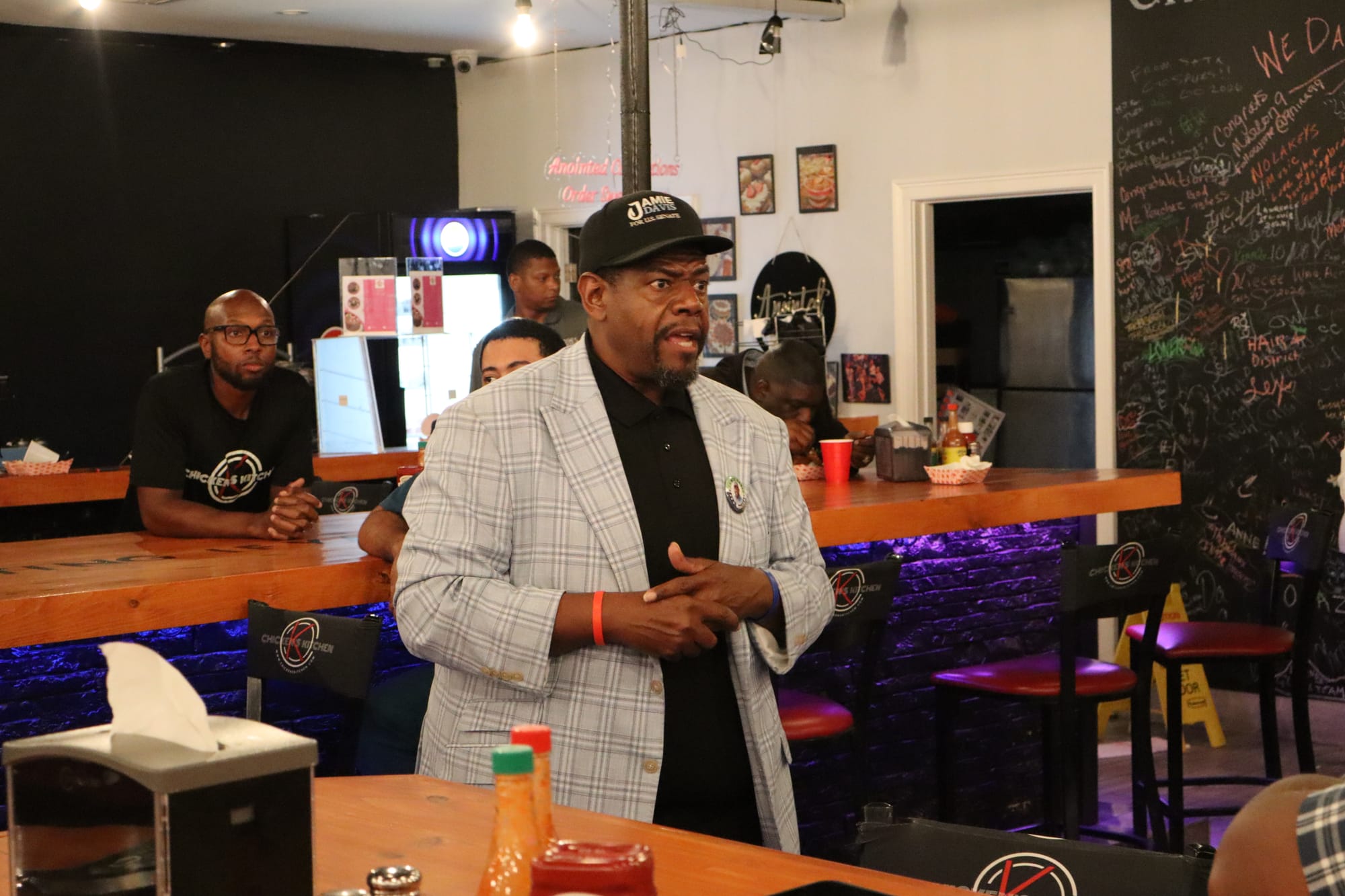
“There’s accountability on all of us,” Baker said. He asked the men in the room how many 18-year-olds they had personally invited into civic spaces or helped prepare to participate.
That question shifted the discussion from criticism to obligation. Participants asked what it would mean to bring younger men into the process, share information across generations and give people a defined role instead of simply calling on them when votes are needed.
The conversation became especially pointed when attendees discussed ownership and economic power. One speaker argued that political influence is inseparable from having a stake in the community: owning homes and businesses, competing for public contracts and maintaining control over institutions that shape neighborhood life. Voting, in that view, is one part of a larger strategy for building power rather than an end in itself.
The evening also included Jamie Davis, the Democratic nominee for Louisiana’s open U.S. Senate seat. Davis, a third-generation farmer from Tensas Parish, used the federal Farm Bill to illustrate how a policy that sounds rural or industry-specific can reach families far beyond agriculture.
The Farm Bill governs more than farm programs; it also authorizes the Supplemental Nutrition Assistance Program, commonly known as SNAP. Davis told the room that decisions affecting farmers and food production are therefore directly connected to food assistance, household affordability and the lives of families across the state.
“One thing that affects everybody is farming, and in ways that a lot of people don’t realize,” Davis said.
Davis also addressed questions about how a candidate without experience in Washington would navigate Congress. He pointed to decades of farming and business negotiations as preparation for working with people who may not share his background or politics.
“You’ve got to know how to walk in with your hat in your hand,” Davis said, arguing that effective representation sometimes requires negotiation without surrendering the interests of the people who sent you.
The second installment did not produce a single agenda or a list of formal action items. It did, however, sharpen the challenge left at the end of the first gathering. Political distrust cannot be repaired solely by telling disconnected voters that their vote matters. Elected officials and candidates must show how public decisions reach people’s lives, while residents must learn the system, organize around clear priorities and remain involved after ballots are counted.
The first conversation ended with a question about whether the series could become more than another meeting. By reconvening, this time on the West Bank, Baker has begun to answer the most basic part of that question: the conversation continued.
The harder test remains whether the relationships, civic knowledge and calls for accountability formed inside the room will become an organized strategy outside it.
I was honored to be invited into the room to document this important conversation. These candid exchanges, among Black men willing to speak openly about leadership, accountability, political power and their responsibility to one another, deserve to be witnessed, preserved and shared. Evans Cutchmore Press will continue following “The Conversation” as it develops and reporting on what grows from the commitments made inside the room.
Kim M. Braud is the Founder & Editor of Evans Cutchmore Press, an independent newsroom covering Louisiana and the Gulf South. Her reporting focuses on government accountability, infrastructure, business, culture, and the public policies that shape communities. Her work combines investigative journalism, public records research, and documentary storytelling.
© 2026 Evans Cutchmore Press. All rights reserved.