COMMUNITY | NEWS ANALYSIS
The Oprah Winfrey Leadership Academy for Girls is not ending because it failed. It is evolving into a scholarship model designed to reach more students across South Africa.
By Kim M. Braud | August 1, 2026
What happened
Oprah Winfrey will close the Oprah Winfrey Leadership Academy for Girls, the boarding school she built outside Johannesburg, at the end of the 2027 academic year. She announced the decision in a statement issued through the academy on Wednesday, first reported by Oprah Daily and confirmed by the Associated Press.
The campus will not sit empty. It returns to South Africa's Gauteng Department of Education, the provincial authority, under the terms of the original partnership that created the school, the academy said. The 52-acre site includes 21 classrooms, six science and computer laboratories, a 10,000-volume library and a 600-seat theater. The provincial government has not said what it plans to do with the property.
Current students keep their support. Gauteng Provincial Minister for Education Lebogang Maile said girls enrolled now will finish their education with uninterrupted financial support before the handover is complete.
Why the school is closing
The academy is not closing because it failed. Winfrey's charitable foundation is redirecting the same mission toward a different model.
Since 2007, the school has educated academically talented girls from disadvantaged backgrounds on a single residential campus. More than 500 have graduated, according to the Oprah Winfrey Charitable Foundation, and some have gone on to universities in South Africa, the United States and Europe.
The next chapter trades the campus for reach. The academy said Winfrey's commitment will continue through an expanded national scholarship program placing academically talented girls at leading schools across South Africa. In her statement, Winfrey framed the change as continuity rather than an ending, saying "the dream was never simply to build a school."
The logic is straightforward. One boarding school holds a fixed number of students. A scholarship fund spread across existing schools can hold far more.
The campus was always meant to become South Africa's. The closure is the plan working, not the plan failing.
What this says about how philanthropy evolves
Large philanthropy tends to move through stages. An organization builds something, learns what the built thing can and cannot do, then adjusts. The Oprah Winfrey Leadership Academy was costly to run and served one campus at a time. A scholarship model distributes the same dollars across a wider field.
There is also a handoff written into this story from the beginning. The agreement always called for the campus to pass to the provincial government. That makes the closure less a retreat than a designed exit, a private institution folding back into the public system meant to carry it forward.
Whether the scholarship model delivers the same results is a separate question, and one worth watching. A boarding school is a controlled environment. Scholarships place students in schools the foundation does not run. The reach is broader. The control is looser. Both things are true.
The bigger question
The closure reopens an old debate in philanthropy. Should a foundation operate its own institution, or fund students inside systems that already exist? Is impact measured by the buildings a donor keeps open, or by the number of lives a program reaches?
There is no single correct answer. A campus is visible, permanent, and countable. A scholarship is diffuse and harder to photograph, but it can travel further.
The most durable measure of an institution may not be how long its doors stay open. It may be whether the mission outlives the walls that first contained it, and whether the students it served can say it changed the direction of their lives.
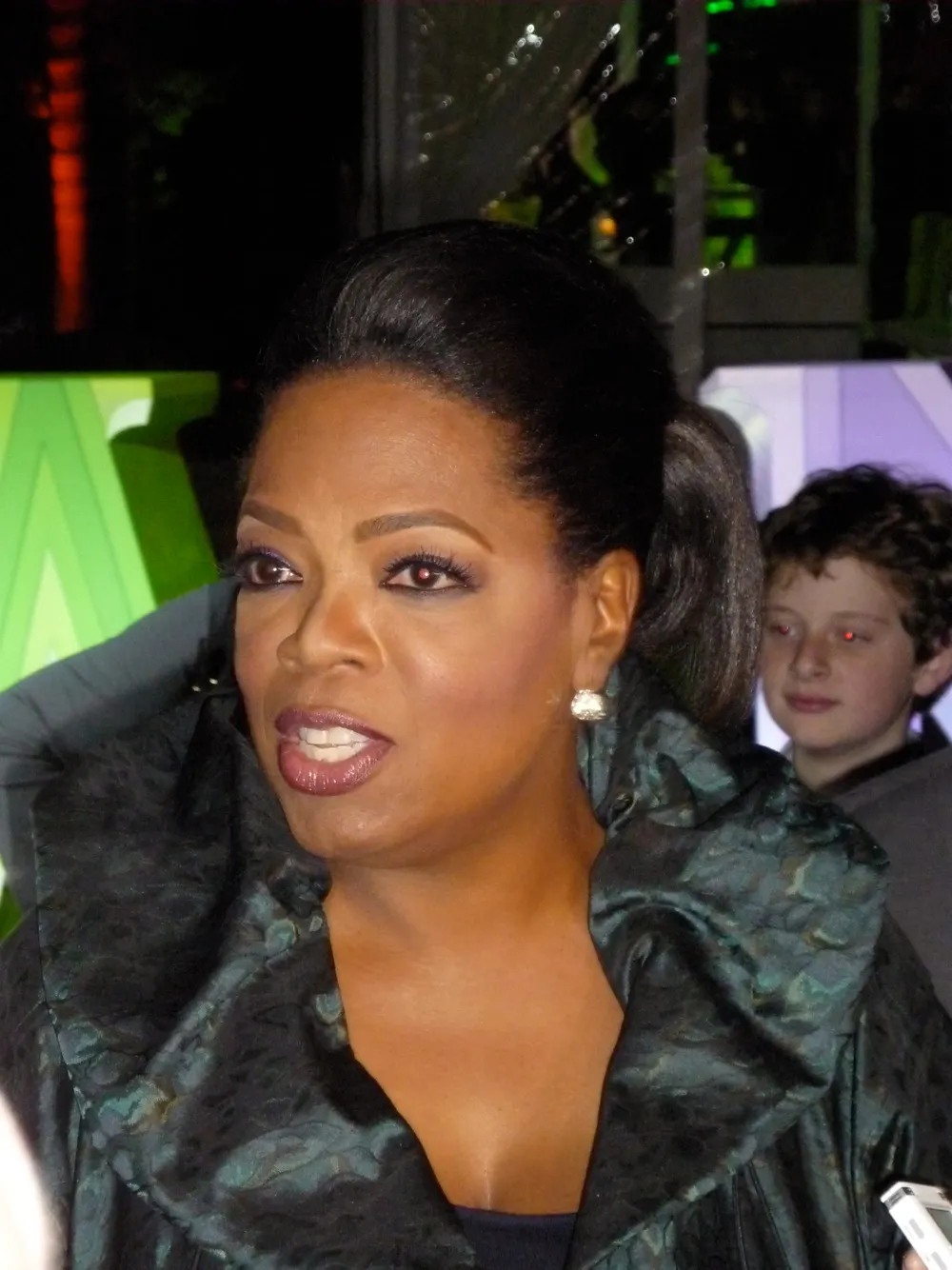
Photo: "Oprah Winfrey at 2011 TCA" by greginhollywood, licensed under CC BY 2.0.
Kim M. Braud is the Founder and Editor of Evans Cutchmore Press, an independent newsroom covering Louisiana and the Gulf South. Her reporting focuses on government accountability, infrastructure, business, culture, and the public policies that shape communities. Her work combines investigative journalism, public records research, and documentary storytelling.
© 2026 Evans Cutchmore Press. All rights reserved.